
Window solar film has emerged as one of the most cost-effective solutions for improving home and office comfort while reducing energy costs. This innovative technology involves applying a thin, multi-layered polyester film to glass surfaces, creating a barrier that controls heat, light, and harmful UV rays. Whether you’re looking to lower your cooling bills, protect your furniture from sun damage, or enhance privacy, window solar film offers a versatile solution that delivers immediate and long-lasting benefits.
In today’s climate-conscious world, property owners are increasingly seeking sustainable ways to improve energy efficiency without undertaking expensive renovations. Window solar film answers this need perfectly, providing professional-grade performance at a fraction of the cost of window replacement. This comprehensive guide explores everything you need to know about window solar film, from its technical benefits to installation considerations.
Understanding How Window Solar Film Works
Window solar film operates through a sophisticated multi-layer construction that strategically manages solar energy entering through glass surfaces. At its core, the film consists of several polyester layers, each serving a specific function in controlling heat, light, and ultraviolet radiation. The base layer provides structural integrity and scratch resistance, while intermediate layers contain the active components that perform the solar control functions.
The Science Behind Solar Film Technology
Window solar film operates through multiple sophisticated layers that work together to control solar energy. The core technology involves metallized or ceramic particles embedded within the film structure. These particles reflect infrared radiation—the primary source of heat—back outside before it can enter your space. Meanwhile, the film allows visible light to pass through, maintaining natural illumination without the excessive heat gain.
The most advanced window solar films utilize nano-ceramic technology, which blocks up to 99% of harmful UV rays and up to 80% of infrared heat without interfering with electronic signals. This is particularly important in modern homes and offices where Wi-Fi connectivity and cellular reception are essential. Unlike older metallized films, ceramic options provide superior heat rejection without creating signal interference.
Different Types of Solar Control Films
The market offers various types of window solar film, each designed for specific applications. Dyed films represent the most economical option, using color absorption to reduce heat and glare. While affordable, they offer moderate performance compared to advanced options. Metallized films incorporate tiny metallic particles that reflect heat and UV rays, providing better performance but potentially interfering with electronic devices.
Ceramic films stand at the premium end of the spectrum, utilizing advanced nano-technology to deliver maximum heat rejection without any metal content. Hybrid films combine metallized and dyed layers, offering balanced performance at mid-range pricing. Spectrally selective films represent cutting-edge technology, filtering specific wavelengths to block heat while allowing maximum visible light transmission.
Key Benefits of Installing Window Solar Film
Window solar film delivers a comprehensive range of advantages that extend far beyond simple sun protection. Understanding these benefits helps property owners make informed decisions about this valuable building upgrade and recognize the full scope of value it provides.
Energy Savings and Cost Reduction
The most compelling reason to install window solar film is the significant reduction in energy costs. By blocking up to 80% of solar heat gain, these films dramatically reduce the workload on air conditioning systems during summer months. Studies indicate that properly installed window solar film can reduce cooling costs by 30-50%, depending on climate conditions and window orientation.
This heat rejection capability works year-round. During winter, certain low-emissivity films help retain interior heat by reflecting it back into the room, reducing heating costs. The combined effect creates substantial annual savings that typically allow the film to pay for itself within 3-5 years. For commercial buildings with extensive glass facades, the return on investment can be even faster.
UV Protection and Interior Preservation
Ultraviolet radiation causes significant damage to interior furnishings, artwork, flooring, and merchandise. Window solar film blocks up to 99.9% of harmful UV rays, substantially extending the life of valuable possessions. Fabrics, carpets, and wood furniture retain their original colors and structural integrity much longer when protected from constant sun exposure.
This protection is particularly valuable for retail stores displaying merchandise, museums, art galleries, and homes with expensive furnishings. The film acts as invisible sunscreen for your interiors, preventing the fading, cracking, and deterioration that typically occurs with prolonged UV exposure. Many premium films offer warranties guaranteeing their UV-blocking performance for 10-15 years or longer.
Enhanced Comfort and Glare Reduction
Window solar film dramatically improves interior comfort by eliminating hot spots near windows and reducing temperature variations throughout a space. Without film, rooms with extensive glass often experience uncomfortable temperature swings, with areas near windows becoming unbearably hot during sunny afternoons. Solar film creates more consistent temperatures, allowing comfortable use of spaces that were previously too hot to occupy.
Glare reduction represents another significant comfort benefit. Excessive sunlight creates eye strain, makes computer screens difficult to view, and forces people to close blinds, eliminating natural light entirely. Window solar film reduces glare by 50-95% depending on the darkness level chosen, allowing occupants to enjoy natural daylight without discomfort or productivity loss.
Choosing the Right Window Solar Film
Selecting the appropriate window solar film requires careful evaluation of multiple factors to ensure optimal performance and satisfaction. The right choice depends on your specific goals, building characteristics, climate conditions, and aesthetic preferences. Making an informed decision ensures you achieve the desired benefits while staying within budget.
Assessing Your Specific Needs
Selecting the appropriate window solar film requires careful consideration of your priorities. If maximum heat rejection is your primary goal, ceramic or spectrally selective films deliver superior performance. For budget-conscious projects where moderate performance is acceptable, dyed films provide good value. Those concerned about maintaining nighttime privacy might prefer darker tinted options, while others prioritize maintaining clear views with lighter films.
Climate plays a crucial role in film selection. Hot, sunny climates benefit most from high heat-rejection films with lower visible light transmission. Cooler climates might prioritize UV protection and glare control with higher visible light transmission to maximize natural heating during winter. Window orientation also matters—south and west-facing windows receive the most intense solar exposure and benefit from higher-performance films.
Understanding Film Specifications
When evaluating window solar film options, several technical specifications guide your decision. Visible Light Transmission (VLT) indicates the percentage of visible light passing through the film, ranging from 5% (very dark) to 70% (nearly clear). Total Solar Energy Rejected (TSER) measures overall heat rejection performance, with higher percentages indicating better performance. UV Rejection typically exceeds 99% for quality films.
The Shading Coefficient (SC) and Solar Heat Gain Coefficient (SHGC) measure how much solar heat passes through the glazing system. Lower numbers indicate better heat rejection. Interior and exterior reflectivity percentages indicate how mirror-like the film appears from each side. Understanding these specifications helps match film characteristics to your specific requirements and aesthetic preferences.
Installation Considerations and Process
Proper installation is crucial to maximizing the performance, appearance, and longevity of window solar film. Understanding what the installation process entails and the factors that influence successful application helps set realistic expectations and ensures optimal results from your investment.
Professional vs. DIY Installation
While some window solar film products market themselves for DIY installation, professional installation typically delivers superior results. Experienced installers possess specialized tools, techniques, and materials ensuring bubble-free application with precise edge trimming. They understand proper surface preparation, solution mixing, and curing requirements that affect long-term performance and appearance.
Professional installation also typically includes warranties covering both the film product and installation workmanship. These warranties provide valuable protection and peace of mind that DIY installation cannot match. However, for small projects or temporary applications, quality pre-cut film kits can provide satisfactory results for handy homeowners willing to invest time and careful attention to detail.
What to Expect During Installation
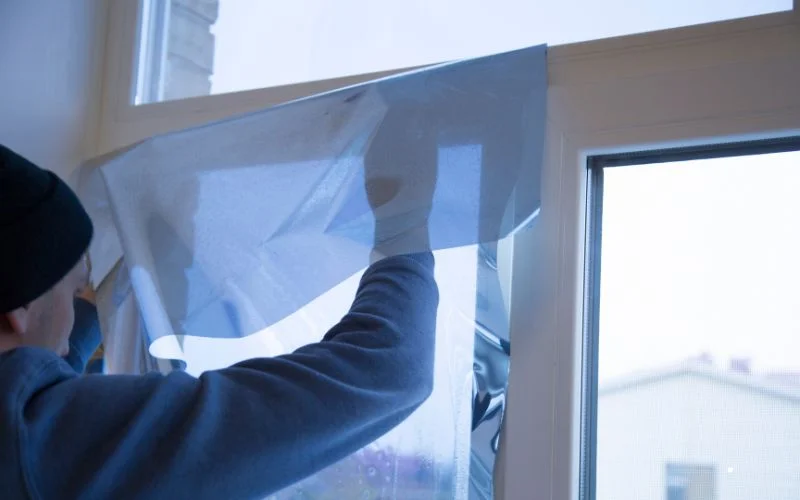
Professional window solar film installation typically follows a systematic process. Installers first thoroughly clean window surfaces, removing all dirt, debris, and residues. They precisely measure and cut film pieces slightly larger than the glass area. Using specialized solutions and squeegees, they apply the film to the wetted glass surface, carefully removing air bubbles and excess moisture.
The final trimming creates clean, precise edges typically set back slightly from the window frame. The entire process for an average-sized window takes 30-60 minutes. Newly installed film requires several days to fully cure and dry, during which slight haziness or small water droplets may be visible. These temporary effects disappear as the film completely adheres and moisture evaporates.
Maintenance and Longevity
Understanding how to properly care for window solar film and what to expect regarding its lifespan ensures you maximize your investment and maintain optimal performance for years to come. With appropriate maintenance, quality window solar film provides decades of reliable service while continuing to deliver energy savings and protection.
Caring for Your Window Solar Film
Window solar film requires minimal maintenance to maintain its performance and appearance. Wait at least 30 days after installation before cleaning to allow complete curing. Clean film surfaces using soft, lint-free cloths or paper towels with mild soapy water or ammonia-free glass cleaners. Avoid abrasive materials, squeegees with metal edges, or harsh chemicals that could scratch or damage the film surface.
Regular cleaning every few months keeps the film looking clear and maintains optimal performance. Address any edges that begin lifting by applying small amounts of adhesive or contacting your installer for warranty service. Proper care ensures the film maintains its solar control properties and appearance throughout its expected lifespan.
Expected Lifespan and Performance
Quality window solar film professionally installed typically lasts 10-20 years or longer, depending on film type, sun exposure, and maintenance. Ceramic and metal-based films generally offer longer lifespans than dyed films, which may experience some color fading after extended UV exposure. Most manufacturers provide warranties ranging from 5-15 years for residential applications and 3-10 years for commercial installations.
Performance remains relatively stable throughout the film’s life, though some gradual reduction in heat rejection capability may occur with older dyed films. The UV protection properties of quality films remain effective throughout their lifespan, continuing to protect interiors from harmful radiation even as other characteristics may slightly diminish.
Conclusion
Window solar film represents a smart investment for anyone seeking to improve comfort, reduce energy costs, and protect valuable interiors from sun damage. With various technology options available at different price points, there’s a suitable solution for virtually every application and budget. The combination of immediate benefits, long-term savings, and environmental advantages makes window solar film one of the most effective building improvement technologies available today.
Whether you’re considering window solar film for a single room or an entire building, understanding the technology, benefits, and selection criteria empowers you to make informed decisions. Professional installation ensures optimal performance and longevity, maximizing your return on investment while delivering years of enhanced comfort and protection.