
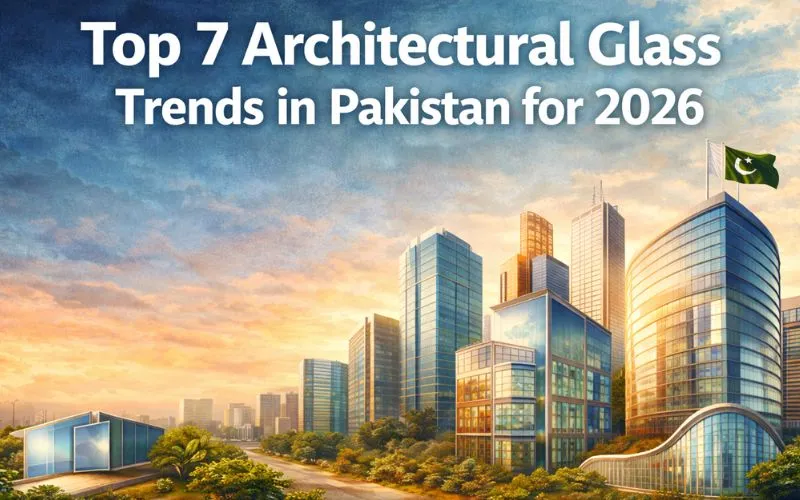
Pakistan’s architectural landscape is transforming rapidly, with glass becoming more than just a building material, it’s now a design statement and technological innovation. From Karachi’s high-rises to Lahore’s commercial complexes, architects are pushing boundaries with glass applications that combine aesthetics, functionality, and sustainability.
1. Smart Glass Technology Takes Center Stage
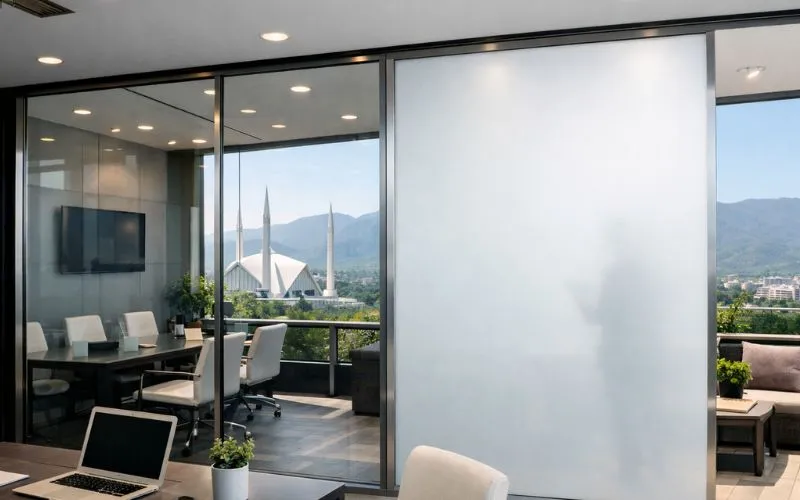
Modern buildings across Pakistan are integrating intelligent glass solutions that adapt to environmental conditions. This technology allows building owners to control transparency, privacy, and light transmission with a simple switch.
Why Smart Glass Matters for the Pakistani Climate
Pakistan’s extreme weather, from scorching summers to variable winters, makes temperature control critical. Office privacy solutions using switchable technology help reduce cooling costs by up to 30% while maintaining natural light. Commercial spaces in Islamabad and Rawalpindi are already seeing significant energy savings with this upgrade.
Ready to transform your space with cutting-edge glass technology?
2. Energy-Efficient Low-E Glass Dominates New Construction
Low-emissivity (Low-E) glass is becoming the standard for energy-conscious developers. This coating reflects heat while allowing light passage, crucial for Pakistan’s intense sunlight.
Key benefits driving adoption:
- Reduces air conditioning load by 25-40%
- Blocks harmful UV rays that fade furniture and fabrics
- Maintains interior comfort without sacrificing natural daylight
- Pays for itself through energy savings within 3-5 years
3. Electrochromic Glass for Privacy and Style
Electrochromic glass, which changes opacity electronically, is revolutionizing both residential and commercial spaces. Switchable glass applications in architecture range from conference rooms to luxury homes, offering instant privacy without curtains or blinds.
Where You’ll See This Trend
Corporate offices in Lahore’s business districts are installing these systems in meeting rooms and executive spaces. High-end residential projects in DHA and Bahria Town are incorporating them in bathrooms and bedroom partitions, adding both functionality and contemporary appeal.
4. Textured and Patterned Glass for Aesthetic Appeal
Pakistani architects are moving beyond plain glass, embracing textured and patterned options that add visual interest while maintaining light flow. Frosted, fluted, and ribbed glass designs are appearing in restaurants, retail spaces, and modern homes across major cities.
5. Fire-Resistant Glass in High-Rise Buildings
Safety regulations are tightening, and fire-rated glass solutions are now mandatory in many commercial developments. This trend is particularly strong in Karachi’s and Islamabad’s high-rise construction, where building codes demand enhanced fire protection without compromising design aesthetics.
6. Double and Triple Glazing for Noise Reduction
Urban noise pollution in cities like Karachi, Lahore, and Faisalabad is driving demand for soundproof glazing. Double and triple-glazed units significantly reduce external noise, creating peaceful interiors in even the busiest locations.
The Sound Barrier Effect
Modern office buildings near airports and highways are specifying multi-layer glazing as standard. Residential towers along main thoroughfares are following suit, recognizing that quiet spaces command premium prices in Pakistan’s real estate market.
7. Curved and Structural Glass in Iconic Designs
Architects are pushing glass beyond traditional flat applications. Curved glass facades and structural glass elements are defining landmark buildings, showcasing Pakistan’s growing confidence in contemporary design.
Frequently Asked Questions
What makes smart glass suitable for Pakistan’s climate?
Smart glass adjusts its tint based on sunlight intensity, reducing heat gain during Pakistan’s brutal summer months while maximizing light during cooler periods. This adaptability makes it more effective than static tinted glass, cutting cooling costs substantially while maintaining visibility and views.
Can existing buildings retrofit modern glass solutions?
Yes, many glass technologies, including switchable film and Low-E coatings, can be retrofitted onto existing windows. This makes upgrading older buildings feasible without complete replacement, offering a cost-effective path to modernization for both commercial and residential properties.
Conclusion
Pakistan’s architectural glass industry is experiencing unprecedented innovation in 2026. From smart technology that responds to environmental conditions to safety-focused fire-resistant options, these seven trends are reshaping how buildings look, perform, and consume energy. Whether you’re building new or upgrading existing spaces, incorporating these glass solutions positions your property at the forefront of modern Pakistani architecture.