

Solar control window film has emerged as one of the most cost-effective solutions for managing heat, glare, and energy costs in both residential and commercial buildings. This innovative technology offers a practical alternative to expensive window replacements, providing immediate benefits in temperature control, UV protection, and energy savings. As energy costs continue to rise and environmental concerns become increasingly important, more property owners are discovering the advantages of this versatile window treatment.
What is Solar Control Window Film?
Solar control window film has emerged as one of the most cost-effective solutions for managing heat, glare, and energy costs in both residential and commercial buildings. This innovative technology offers a practical alternative to expensive window replacements, providing immediate benefits in temperature control, UV protection, and energy savings. As energy costs continue to rise and environmental concerns become increasingly important, more property owners are discovering the advantages of this versatile window treatment.
Understanding the Technology
Solar control window film is a thin, multi-layered polyester material that is applied directly to glass surfaces. These films are engineered with advanced coating technologies that selectively filter solar radiation while maintaining visibility. The film works by reflecting and absorbing solar energy before it can enter your building, significantly reducing heat gain during hot months.
The construction of these films typically includes several layers, each serving a specific purpose. The base layer provides structural integrity, while specialized coatings deliver solar control properties. Some films incorporate metallic particles, while others use ceramic or nano-ceramic technology to achieve their performance characteristics. The adhesive layer ensures secure attachment to the glass, and a scratch-resistant coating protects the exterior surface.
How Solar Control Film Works
The science behind solar control window film is based on the principles of solar energy management. When sunlight strikes a window, it contains three types of energy: visible light, infrared radiation (heat), and ultraviolet rays. Solar control films are designed to manage each of these components differently.
The film reflects a significant portion of the sun’s infrared radiation back to the exterior before it can penetrate the glass and heat your interior spaces. Simultaneously, it allows a controlled amount of visible light to pass through, maintaining natural illumination while reducing glare. The film also blocks up to 99% of harmful UV rays, which cause fading and can damage skin and furnishings.
Key Benefits of Solar Control Window Film
Solar control window film offers a comprehensive range of advantages that make it an attractive investment for property owners seeking to improve their buildings’ performance, comfort, and efficiency. Understanding these benefits helps illustrate why this technology has become increasingly popular across residential, commercial, and institutional applications. From substantial cost savings to enhanced comfort and protection, the advantages of solar control window film extend far beyond simple heat reduction.
Energy Savings and Cost Reduction
One of the most compelling reasons to install solar control window film is the substantial reduction in energy costs. By blocking solar heat gain, these films can reduce cooling costs by 30-50% during summer months. This means your air conditioning system doesn’t have to work as hard to maintain comfortable temperatures, leading to lower electricity bills and reduced wear on HVAC equipment.
The return on investment for solar control film is typically achieved within 3-5 years, making it an economically sound decision for building owners. Unlike window replacement, which can cost thousands of dollars per window, film installation is a fraction of the price while delivering comparable thermal performance improvements.
Enhanced Comfort and Temperature Control
Solar control window film dramatically improves indoor comfort by eliminating hot spots and temperature inconsistencies throughout your building. Areas near windows, which traditionally become uncomfortably warm during sunny days, remain cool and pleasant. This creates a more uniform temperature distribution, allowing occupants to work or relax comfortably regardless of their proximity to windows.
The reduction in glare is another significant comfort benefit. Excessive glare on computer screens, television displays, and work surfaces can cause eye strain and reduce productivity. Solar control films minimize this glare while maintaining adequate natural light levels, creating a more comfortable visual environment.
UV Protection and Fade Prevention
Ultraviolet radiation is responsible for the fading and deterioration of interior furnishings, flooring, artwork, and merchandise. Solar control window films block up to 99% of these harmful UV rays, significantly extending the life of your valuable possessions. This protection is particularly important for businesses displaying merchandise, museums, galleries, and homes with expensive furnishings or artwork.
Beyond protecting materials, UV blocking also provides health benefits by reducing exposure to harmful radiation that can cause skin damage and increase the risk of skin cancer. This is especially important in spaces where people spend extended periods near windows.
Types of Solar Control Window Film
The market offers several distinct types of solar control window film, each designed with specific performance characteristics and aesthetic qualities to meet varying needs and preferences. Understanding the differences between these film types is essential for selecting the right solution for your specific application, climate conditions, and performance goals. Whether you prioritize maximum heat rejection, maintaining natural appearance, privacy enhancement, or a balanced approach, there’s a film technology designed to meet your requirements.
Reflective Films
Reflective solar control films feature a metallic coating that provides excellent heat rejection and glare reduction. These films create a mirror-like appearance from the outside during daylight hours, offering enhanced privacy while maintaining outward visibility from inside. They are ideal for commercial buildings and offices where maximum solar control is required.
The reflective properties make these films highly effective at rejecting solar heat, often achieving rejection rates of 60-80%. However, the exterior appearance may not be suitable for all architectural styles or historic buildings where aesthetic considerations are paramount.
Non-Reflective Films
Non-reflective or spectrally selective films use advanced technology to control heat without creating a mirrored appearance. These films are often preferred for residential applications and buildings where maintaining the original aesthetic is important. They use ceramic or nano-ceramic particles to selectively filter infrared radiation while allowing visible light to pass through.
These films offer excellent heat rejection with minimal change to the window’s appearance, making them ideal for homeowners associations with strict aesthetic guidelines or historic properties requiring preservation of original character.
Dual-Reflective Films
Dual-reflective films provide the best of both worlds by offering different reflectivity levels on interior and exterior surfaces. These films maintain a natural appearance from inside while providing solar control from outside. They are particularly popular in climates with varying seasonal conditions where maintaining views and natural light is important.
Installation Process and Considerations
The installation of solar control window film is a critical phase that directly impacts the performance, appearance, and longevity of your investment. While the concept of applying film to glass may seem straightforward, achieving professional-quality results requires proper technique, specialized tools, and attention to detail. Understanding the installation process, preparation requirements, and important considerations helps ensure optimal outcomes and maximum return on investment.
Professional vs. DIY Installation
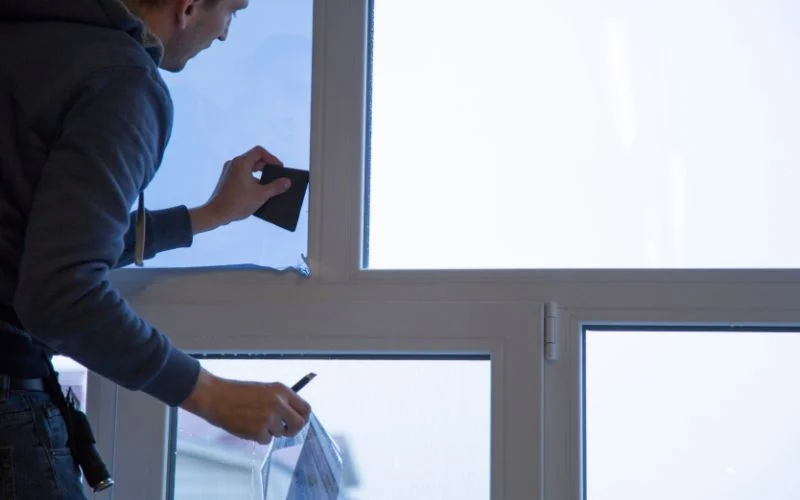
While solar control window film can be purchased for DIY installation, professional installation is strongly recommended for optimal results. Professional installers have the expertise, tools, and techniques to ensure bubble-free, seamless application that maximizes the film’s performance and longevity.
The installation process involves thorough cleaning of the glass surface, precise cutting of the film to match window dimensions, and careful application using specialized solutions and tools. Professional installers also understand the importance of proper curing time and can address challenging installation scenarios such as large glass surfaces or complex window shapes.
Preparation and Maintenance
Before installation, windows must be thoroughly cleaned to remove all dirt, debris, and residues. Any imperfections on the glass surface can compromise adhesion and create visible defects. After installation, the film requires a curing period of typically 30-60 days, during which the adhesive fully bonds to the glass and any moisture between the film and glass evaporates.
Maintenance of solar control window film is remarkably simple. Regular cleaning with mild soap and water and a soft cloth or squeegee is all that’s required. Avoid abrasive cleaners or rough materials that could scratch the surface. With proper care, quality solar control films can last 10-20 years or more.
Choosing the Right Solar Control Film
Selecting the appropriate solar control window film for your specific needs is one of the most important decisions in the entire process, as the right choice will maximize benefits while the wrong selection can lead to disappointing results or unmet expectations. With numerous products available on the market, each offering different performance characteristics, aesthetic qualities, and price points, the selection process can feel overwhelming without proper guidance. However, by carefully evaluating your specific requirements, understanding key performance metrics, and considering various environmental and practical factors, you can confidently identify the ideal film solution for your property. The decision-making process involves assessing multiple variables including climate conditions, building orientation, window specifications, aesthetic preferences, budget constraints, and long-term performance goals to ensure the selected film delivers optimal results for your unique situation.
Factors to Consider
Selecting the appropriate solar control window film depends on several factors including climate, building orientation, window type, and performance goals. Buildings in hot, sunny climates require films with high heat rejection capabilities, while those in mixed climates might benefit from films that provide seasonal versatility.
The visible light transmission (VLT) percentage is crucial for maintaining adequate natural lighting while controlling heat. Films with higher VLT allow more light through but may offer less heat rejection, while lower VLT films provide maximum solar control but create darker interiors.
Performance Metrics
Understanding key performance specifications helps in making informed decisions. The Solar Heat Gain Coefficient (SHGC) measures how well the window blocks heat from sunlight, with lower numbers indicating better performance. The U-factor measures insulation properties, with lower values indicating better insulation. Total Solar Energy Rejection (TSER) provides an overall measure of the film’s ability to reject solar energy.
Conclusion
Solar control window film represents a smart investment for anyone looking to improve energy efficiency, enhance comfort, and protect their property from harmful UV radiation. With various types available to suit different needs and aesthetics, there’s a solution for virtually every application. The combination of immediate benefits, long-term savings, and environmental advantages makes solar control window film an increasingly popular choice for modern buildings. Whether you’re a homeowner seeking relief from high cooling costs or a business owner looking to improve workplace comfort, solar control window film offers a proven, cost-effective solution that delivers results year after year.