
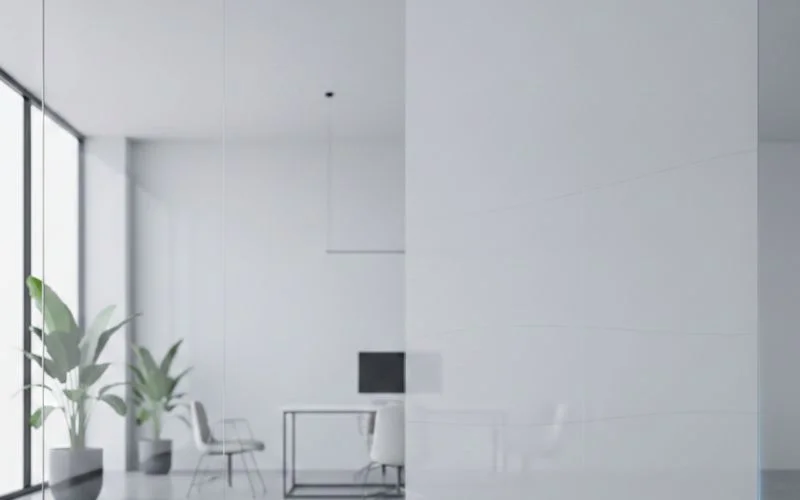
Electric window tinting sparks curiosity among Pakistani homeowners and business owners. This technology promises instant privacy control, energy savings, and modern aesthetics. Yet misconceptions hold people back from making the switch. False information spreads quickly, often from people who have never actually used the technology.
Understanding the truth about electric window tint helps you make informed decisions for your home or office. Let’s examine three persistent myths that prevent people from experiencing the real benefits of switchable glass technology.
Ready to experience smart glass benefits firsthand?
Myth #1: Electric Window Tinting Breaks Down Quickly
The most common concern people express about smart glass technology relates to durability. Many assume that anything controlled electronically must be fragile and prone to failure. This misconception likely stems from experience with consumer electronics that become obsolete or malfunction within a few years.
The Reality of Smart Glass Longevity
Electric window tinting technology has been refined over decades of commercial and residential use. Modern smart films come with warranties spanning 10-15 years, matching or exceeding the lifespan of traditional window treatments like curtains, blinds, or static films. The technology uses solid-state switching without moving parts, meaning there are fewer components that can fail mechanically.
Real-world performance data tells the story:
- Smart glass installations from the early 2010s remain fully functional today
- The film itself resists degradation from UV exposure and temperature fluctuations
- Switching mechanisms maintain performance through thousands of on-off cycles
- Laminated construction protects the active layer from environmental damage
The misconception about fragility often comes from confusing consumer-grade novelty products with professional-grade architectural films. Quality installations using reputable manufacturers deliver decade-long performance. Poor-quality products from unknown suppliers might fail prematurely, but that reflects product selection rather than technology limitations.
Pakistani climate conditions provide an additional test. Films that survive Karachi’s humidity, Lahore’s summer heat, and Islamabad’s winter cold demonstrate genuine durability. Professional installations account for local environmental factors, ensuring long-term performance regardless of regional weather patterns.
Myth #2: Smart Glass Technology Consumes Excessive Electricity
Energy consumption concerns prevent many cost-conscious homeowners from considering electric window tinting. The logic seems reasonable; anything requiring electrical power must increase utility bills. People worry about adding another device to their monthly electricity expenses, especially given Pakistan’s rising energy costs and frequent load shedding.
The Surprising Truth About Power Usage
Electric window tinting uses remarkably little electricity. The power requirement compares to running a single LED bulb, typically 3-7 watts per square meter of glass. The film only consumes power during the actual switching process, which takes 1-3 seconds. Once switched to either transparent or opaque mode, the glass maintains that state without drawing continuous power.
Consider practical usage patterns in Pakistani homes:
- Most users switch their smart glasses 2-4 times daily
- Each switching event uses negligible power for a few seconds
- Monthly electricity consumption totals less than running one ceiling fan for an hour
- Energy savings from reduced cooling needs often exceed the minimal power the glass consumes
The energy equation actually favors smart glass adoption. While the film draws minor power, it significantly reduces air conditioning loads by blocking solar heat. Studies show a 20-30% reduction in cooling costs during summer months, far outweighing the trivial electricity the switching mechanism requires.
Load shedding concerns also prove unfounded. Smart glass maintains its current state during power outages. If you switch to opaque mode before load shedding begins, the glass stays opaque throughout the outage without consuming battery backup power. Simple UPS integration provides switching capability during extended power cuts for users wanting that flexibility.
Myth #3: Smart Glass Requires Constant Maintenance and Cleaning
Another widespread misconception suggests that electric window tinting demands extensive maintenance. People imagine complex cleaning procedures, special solutions, or professional service calls. The assumption stems from the high-tech nature of the product, surely something this advanced must be difficult to maintain properly.
The Low-Maintenance Reality
Smart glass requires less maintenance than traditional window treatments. The glass surface cleans exactly like regular windows—using standard glass cleaner and a soft cloth. No special chemicals, no professional cleaning services, no complex procedures. Basic smart film maintenance takes less time and effort than washing curtains or dusting blinds.
Maintenance comparisons reveal smart glass advantages:
- Curtains: Require regular washing, dry cleaning, and replacement every 3-5 years due to fading and wear
- Blinds: Collect dust requiring frequent cleaning, cords fray, slats break, mechanisms fail within years
- Static Films: Bubble over time, peel at edges, discolour from sun exposure, impossible to clean thoroughly
- Smart Glass: Wipe clean like windows, no fabric to wash, no moving parts to break, no degradation from UV exposure
- Traditional Windows: Same basic cleaning as smart glass, but without any privacy benefits
The electrical components require zero maintenance. The switching mechanism operates millions of cycles without service. Professional installations include proper sealing and electrical connections that function indefinitely under normal use. There are no filters to change, no batteries to replace, and no scheduled service appointments.
Pakistani households benefit particularly from this low-maintenance profile. Domestic help can clean smart glass using the same methods they use for regular windows. No specialised training or expensive cleaning products required. The glass doesn’t trap cooking odours, smoke, or dust the way fabric treatments do, especially valuable in kitchens and areas near busy streets.
Understanding the Real Limitations
While debunking myths, it’s important to acknowledge genuine considerations rather than pretending smart glass has zero limitations. Honest assessment helps set appropriate expectations.
What Smart Glass Actually Requires
Professional installation remains essential for optimal performance. Self-installation risks improper electrical connections, poor film adhesion, or inadequate sealing. Quality installations require expertise, but this is a one-time requirement, not ongoing maintenance.
Initial investment exceeds traditional window treatments. While long-term value justifies the expense, upfront costs require budget planning. The technology isn’t appropriate for every window in every home; strategic placement in key areas often makes more sense than whole-house installation.
According to research by Markets and Markets on smart glass, adoption rates continue growing as manufacturing costs decline and awareness increases. Technology improvements drive down prices while enhancing performance, making smart glass increasingly accessible to mainstream consumers.
Real Benefits Worth Understanding
Beyond debunking myths, understanding actual smart glass benefits helps evaluate whether the technology suits your specific needs. Privacy glass advantages extend well beyond the switching capability itself.
Genuine Advantages That Matter
Smart glass provides instant privacy without sacrificing natural light, something no other window treatment achieves. The ability to switch between transparent and opaque modes adapts your space to changing needs throughout the day. UV protection prevents furniture fading and reduces skin exposure to harmful radiation. Energy efficiency lowers cooling costs while maintaining comfortable indoor temperatures.
The technology supports modern lifestyles where spaces serve multiple purposes. Home offices need privacy during calls, but benefit from natural light otherwise. Bedrooms require darkness for sleeping but brightness for waking. Living rooms host both private family time and social gatherings. Smart glass adapts to each scenario instantly.
Property value considerations matter as well. Smart home features increase resale appeal and justify premium pricing. Modern buyers appreciate technology integration and energy efficiency, both delivered by smart glass installations. The investment adds tangible value beyond just personal convenience.
Frequently Asked Questions
Can electric window tinting work during load shedding?
Yes, smart glass maintains its current state during power outages. Once switched to opaque or transparent mode, the glass stays in that position without consuming power, even during extended load shedding. Battery backup or UPS systems can provide switching capability during outages for users wanting that flexibility, but it’s not necessary for maintaining privacy.
Does smart glass technology work in Pakistan’s extreme heat?
Absolutely. Smart glass performs effectively in temperatures ranging from -20°C to 80°C, well beyond Pakistan’s climate extremes. The technology actually benefits from heat-blocking properties, reducing solar heat gain that makes homes uncomfortable during summer. Quality films include UV stabilizers preventing degradation from intense sunlight exposure common in Pakistani cities.
Will smart glass eventually become outdated like old electronics?
Unlike smartphones or computers, smart glass isn’t dependent on software updates or network connectivity. The technology is purely electrical switching based on stable physical principles. Installations from 15+ years ago still function perfectly. There are no obsolescence concerns; the glass either works or doesn’t, with no middle ground of degraded performance requiring upgrades.
Conclusion
Myths about electric window tinting prevent many Pakistani homeowners from experiencing genuine benefits. The reality contradicts common misconceptions; smart glass delivers durable performance, minimal energy consumption, and low maintenance requirements. Understanding facts rather than fiction helps make informed decisions about home upgrades.
The technology proves itself through years of reliable performance in homes and offices across Pakistan. Don’t let outdated assumptions or inaccurate information prevent you from upgrading your space with switchable privacy solutions that actually work.