
Smart film technology has revolutionized privacy solutions in homes and offices, offering instant control over transparency. However, proper cleaning without damaging electronic components is crucial. Understanding the right techniques ensures your smart film for windows remains in perfect working condition.
Whether you’ve installed privacy window film in your conference room or have solar control window film throughout your home, following proper cleaning protocols is essential.
Understanding Smart Film Components and Vulnerabilities
Before cleaning your smart film, understand what makes this technology unique and which areas require special care.
Smart film consists of polymer-dispersed liquid crystal (PDLC) technology sandwiched between conductive layers. When electricity flows through these layers, the crystals align to make the film transparent. The edges contain electrical connections and sensors that are vulnerable to moisture and cleaning solutions.
Why Standard Glass Cleaners Can Damage Smart Film
Most commercial glass cleaners contain ammonia, alcohol, or harsh chemicals that degrade the protective coating on smart film. These substances cause discoloration, reduce transparency, or interfere with electrical components. According to The International Window Film Association, using pH-neutral cleaners is essential for maintaining warranty coverage.
Safe Cleaning Materials and Solutions
Choosing the right cleaning materials is essential for maintaining your smart film without causing damage.
Recommended Cleaning Solutions
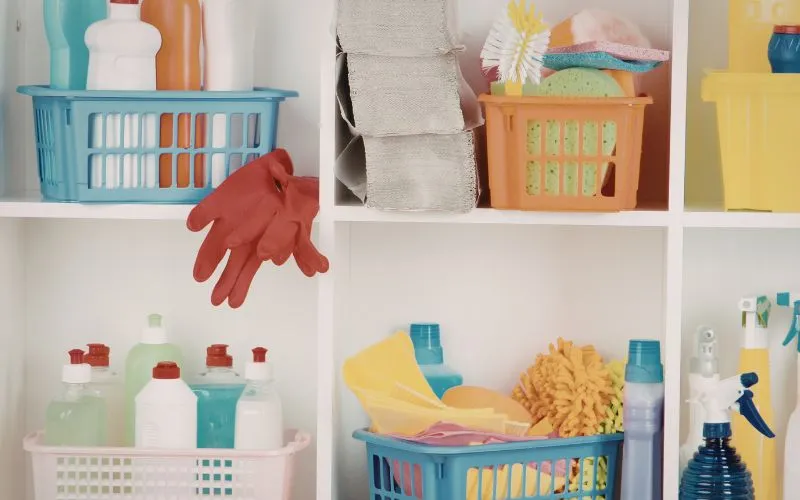
Distilled Water Solution (Primary Choice) Mix distilled water with a small amount of mild, pH-neutral dish soap (just 2-3 drops per gallon). This solution effectively removes dirt, fingerprints, and smudges without leaving residue or damaging the film.
Commercial Film-Safe Cleaners Several manufacturers produce cleaners specifically formulated for smart films. These products are pH-balanced and free from ammonia, alcohol, and abrasive compounds. Always verify compatibility with electronic window films before use.
What to Avoid: Never use ammonia-based glass cleaners, vinegar, alcohol, abrasive cleaners, paper towels, or bleach.
Proper Cleaning Tools
- Microfiber cloths (soft, non-abrasive, lint-free)
- Squeegee with soft rubber blade
- Spray bottles for even application
- Soft sponges (natural or high-quality synthetic)
- Distilled water to prevent mineral deposits
Step-by-Step Smart Film Cleaning Process
Following a systematic approach ensures thorough cleaning while protecting your investment.
Pre-Cleaning Preparation
Turn off power to your smart film system to protect electrical components. Use a soft, dry microfiber cloth to remove loose dust and debris before applying liquid. Check edges and corners for any signs of lifting or peeling.
The Cleaning Process
Step 1: Mix your pH-neutral soap solution (2-3 drops per gallon of distilled water).
Step 2: Lightly mist the surface with cleaning solution. Avoid over-saturating, especially near edges.
Step 3: Wipe with a clean microfiber cloth using straight strokes from top to bottom.
Step 4: For stubborn marks, dampen cloth and work in small circular motions with light pressure.
Step 5: Optional squeegee at 45-degree angle in overlapping strokes.
Step 6: Mist with plain distilled water to remove soap residue, then wipe with clean, dry cloth.
Step 7: Carefully clean edges parallel to (not toward) electrical connections.
Step 8: Buff surface gently with dry microfiber cloth for streak-free finish.
Step 9: Allow 15-20 minutes air drying before restoring power.
Frequency and Timing
Clean high-traffic areas every 2-4 weeks, less-used installations monthly. Avoid cleaning in direct sunlight to prevent streaking. Bathroom installations require more frequent cleaning (weekly) due to humidity exposure, while window solar film in kitchens benefits from regular maintenance to handle grease and cooking residue.
Common Issues and Solutions
Streaking usually results from soap residue, rinse thoroughly with distilled water and buff immediately. Water spots come from hard water; always use distilled water for both cleaning and rinsing. For persistent smudges, let the cleaning solution sit for 30-60 seconds before wiping gently.
Frequently Asked Questions
Can I use regular glass cleaner on smart film?
No, regular glass cleaners typically contain ammonia, alcohol, or other harsh chemicals that can damage smart film. These substances may degrade the protective coating, cause discoloration, interfere with the PDLC technology, or damage electrical components. Always use pH-neutral, film-safe cleaners or a simple distilled water and mild soap solution. Using inappropriate cleaners may void your warranty and cause permanent damage to the film’s appearance and functionality.
How often should I clean my smart film?
Cleaning frequency depends on your environment and usage. High-traffic areas like conference rooms or retail spaces benefit from cleaning 2-3 times weekly, while residential installations typically need cleaning every 2-4 weeks. Bathrooms may require weekly cleaning due to humidity and soap residue, while low-use areas might only need monthly attention. Clean whenever you notice visible fingerprints, smudges, or reduced clarity. Regular maintenance prevents buildup that becomes harder to remove over time.
What should I do if water gets near the electrical edges?
If water accidentally contacts the electrical edges during cleaning, immediately turn off power to the smart film system and gently blot (don’t wipe) the area with a dry, absorbent cloth. Allow the area to air dry completely for at least 24 hours before restoring power. If you notice any malfunction after water exposure, contact your smart film installer or manufacturer immediately. Prevention is key, always keep cleaning solutions away from edges and use minimal moisture during cleaning. Most quality installations have sealed edges, but caution is still essential.
Conclusion
Maintaining your smart film doesn’t require complicated procedures or specialized equipment, just the right approach and proper materials. By using pH-neutral cleaning solutions, soft microfiber cloths, and gentle techniques, you can keep your smart film crystal clear without damaging sensitive sensors or electrical components. Remember to always turn off power before cleaning, avoid harsh chemicals, and pay special attention to keeping moisture away from edges and electrical connections. Regular maintenance using these safe methods ensures your smart film continues providing reliable privacy control and maintains its clarity for years to come, protecting your investment while maximizing functionality.