
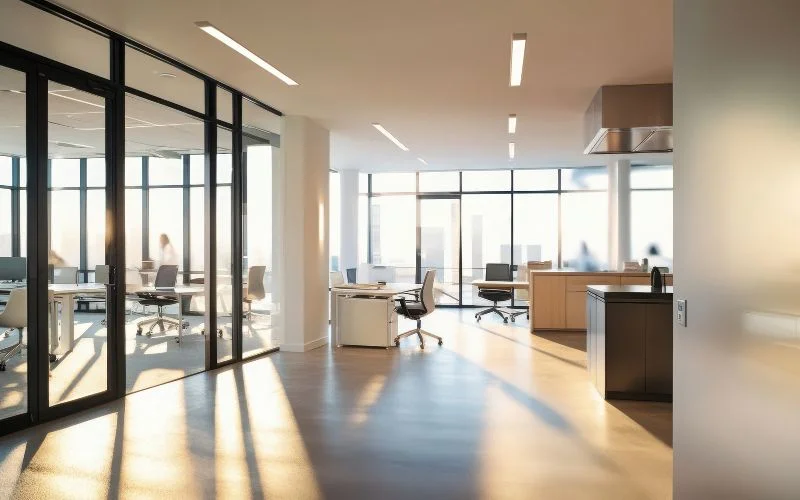
Privacy is a fundamental need in both residential and commercial spaces. Whether you’re looking to create a secluded home office, enhance patient confidentiality in a medical facility, or add discretion to conference rooms, selecting the right privacy windows can transform your environment while maintaining natural light and aesthetic appeal. This comprehensive guide will help you navigate the various options and considerations to choose the perfect privacy window solution for your specific needs.
Understanding Privacy Window Options
When selecting privacy windows for your space, the market offers a diverse array of options, each with distinct characteristics, benefits, and ideal applications. Understanding these options is the first crucial step in making an informed decision that aligns with your privacy needs, aesthetic preferences, and functional requirements.
Frosted and Etched Glass Windows
Frosted glass remains one of the most popular choices for privacy windows. This timeless option uses acid etching or sandblasting techniques to create a translucent surface that obscures visibility while still allowing natural light to filter through. Frosted glass works exceptionally well in bathrooms, office partitions, and street-facing windows where consistent privacy is essential. The permanent nature of frosted glass makes it ideal for spaces where privacy requirements won’t change over time.
Etched glass takes this concept further by incorporating decorative patterns and designs into the privacy solution. From geometric patterns to custom artistic designs, etched glass can enhance your interior décor while serving a functional purpose. This option is particularly appealing for businesses looking to incorporate branding elements or homeowners wanting to add a personal aesthetic touch to their privacy windows.
Smart Glass and Switchable Privacy Windows
Smart glass technology represents the cutting edge of privacy window solutions. Also known as switchable glass or electric privacy glass, this innovative option lets you control transparency with a flip of a switch or through automated systems. Using liquid crystal technology or electrochromic materials, smart glass transitions from transparent to opaque in seconds, offering unparalleled flexibility.
This technology is particularly valuable in spaces where privacy needs fluctuate throughout the day. Conference rooms can be open and inviting during casual hours, then instantly private during sensitive meetings. Medical examination rooms can maintain patient dignity while allowing healthcare providers to easily monitor hallways when needed. The versatility of smart glass makes it an increasingly popular choice for modern offices, hospitals, and luxury residences.
Key Factors to Consider When Choosing Privacy Windows
Selecting the right privacy windows requires careful evaluation of multiple factors to ensure your investment meets both immediate needs and long-term expectations. Understanding these key considerations will help you make an informed decision that balances functionality, aesthetics, and budget constraints.
Level of Privacy Required
The first consideration when selecting privacy windows is determining how much privacy you actually need. Complete obscurity might be essential for bathrooms and changing areas, while partial privacy could suffice for office spaces where you want to maintain some visual connection while reducing direct eye contact. Consider whether you need privacy from both sides of the window or only one, as this will influence your choice of materials and treatments.
Light Transmission Needs
Privacy shouldn’t mean sacrificing natural light. Different privacy window solutions offer varying levels of light transmission. Frosted glass typically allows 80-90% light transmission while completely obscuring the view. Tinted privacy windows might reduce light transmission to 40-60% but provide less privacy. Smart glass can offer the best of both worlds, allowing full light transmission when transparent and maintaining good lighting levels even when opaque. Assess how much natural light your space receives and requires before making your selection.
Aesthetic Integration
Your privacy windows should complement your existing interior design rather than clash with it. Consider the architectural style of your space, existing color schemes, and design elements. Modern spaces might benefit from sleek smart glass installations, while traditional homes could be better served by elegant frosted glass with decorative borders. The frame materials, colors, and overall design should harmonize with your space’s aesthetic vision.
Budget Considerations
Privacy window solutions span a wide range of prices. Traditional frosted glass represents the most economical option, with costs primarily dependent on the size and complexity of the installation. Window films and treatments offer mid-range pricing with easier installation. Smart glass technology commands a premium price due to its advanced functionality but offers unmatched versatility and modern appeal. Factor in not just initial installation costs but also long-term maintenance requirements and energy efficiency benefits when calculating your budget.
Matching Privacy Windows to Different Spaces
Different environments have unique privacy requirements, and selecting the appropriate privacy window solution for each space ensures optimal functionality, comfort, and aesthetic appeal. Understanding how various privacy options align with specific room types and usage patterns will help you make the most suitable choice for your particular situation.
Residential Applications
In homes, bathrooms are the most obvious candidates for privacy windows, where frosted or textured glass provides necessary discretion while maintaining a bright, airy feel. Ground-floor bedrooms facing streets or neighboring properties benefit from privacy solutions that don’t require constant curtain coverage. Home offices increasingly demand privacy options that reduce external distractions while maintaining productive, well-lit work environments.
Commercial and Office Environments
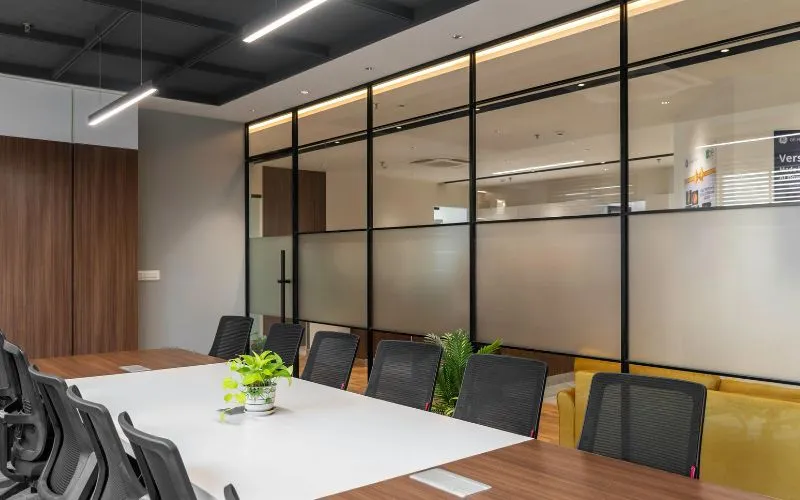
Modern office design emphasizes open concepts and natural light, but privacy remains crucial for focused work and confidential discussions. Smart glass partitions allow conference rooms to transform from open collaboration spaces to private meeting rooms instantly. Executive offices can maintain transparency and accessibility while having privacy available when needed. Medical and legal offices require HIPAA and confidentiality compliance, making reliable privacy windows essential for examination rooms and consultation spaces.
Hospitality and Retail Settings
Hotels use privacy windows in bathrooms to create a spa-like experience while maintaining open floor plans. Retail dressing rooms benefit from privacy solutions that ensure customer comfort without requiring extensive permanent construction. Restaurants and cafes can use privacy glass to create intimate dining areas or VIP sections while maintaining the flexibility to open up the space for larger events.
Installation and Maintenance Considerations
Understanding the installation process and ongoing maintenance requirements of privacy windows is crucial for making a practical, sustainable choice that fits your capabilities, timeline, and long-term commitment. These considerations significantly impact the total cost of ownership and the longevity of your privacy solution.
Professional Installation Requirements
While some privacy window solutions, such as films, can be DIY projects, most permanent installations require professional expertise. Smart glass installations, in particular, need electrical connections and proper calibration to function correctly. Professional installers ensure proper sealing, structural integrity, and warranty compliance. Factor installation costs and timeline into your planning process.
Long-term Maintenance Needs
Different privacy window solutions have varying maintenance requirements. Frosted glass needs regular cleaning with appropriate non-abrasive cleaners to maintain its appearance. Smart glass requires periodic inspection of electrical components and may need software updates. Consider the long-term maintenance commitment alongside the initial investment to ensure your privacy windows remain functional and attractive for years to come.
Conclusion
Choosing the right privacy windows for your space involves balancing functional requirements, aesthetic preferences, and budget constraints. Whether you opt for traditional frosted glass, modern smart glass technology, or another privacy solution, the key is to understand your specific needs and how each option addresses them. By carefully considering the level of privacy required, light transmission needs, aesthetic integration, and practical factors like installation and maintenance, you can select privacy windows that enhance both the functionality and appeal of your space. Take time to consult professionals, view samples, and explore different options to make an informed decision that will serve your space well for years to come.